
I didn't renovate it. I just rethought it.


It didn't start with a pretty piece.
There were two chairs. With worn, dark legs. The kind of black that was no longer elegant, just tired.
The text was clear, but empty. It wasn't bad. It just... didn't say anything.
And somewhere there was the feeling: there was more to this.
1. The first moment – when you decide to touch it
You can look at a piece of furniture for a long time and think "someday".
Then there's a point when you can't procrastinate anymore.
There was no plan. Just one direction: make it lighter, fresher, more personal.

2. Planning – but not on paper
There was no visual design. It started to come together in my head:
more colors
but not chaotically
rather in a subtle system.
And all the while the same images kept coming:
the sky, the water, the greenery of nature, and that sunny, light spring-summer atmosphere when everything seems a little fresher.
I didn't choose specific colors. More like a feeling.
And that's what the palette ultimately consisted of:
rain cloud blue like the power of nature,
juniper color, which is lighter,
sea green, which is already alive,
sage color, which is almost light.

3. Cleaning and polishing – the quiet part
This is the phase that no one posts.
Dust removal. Degreasing. Sanding.
It's not spectacular. But this is where everything is decided.
If you get caught up in this, the whole project will be uncertain.
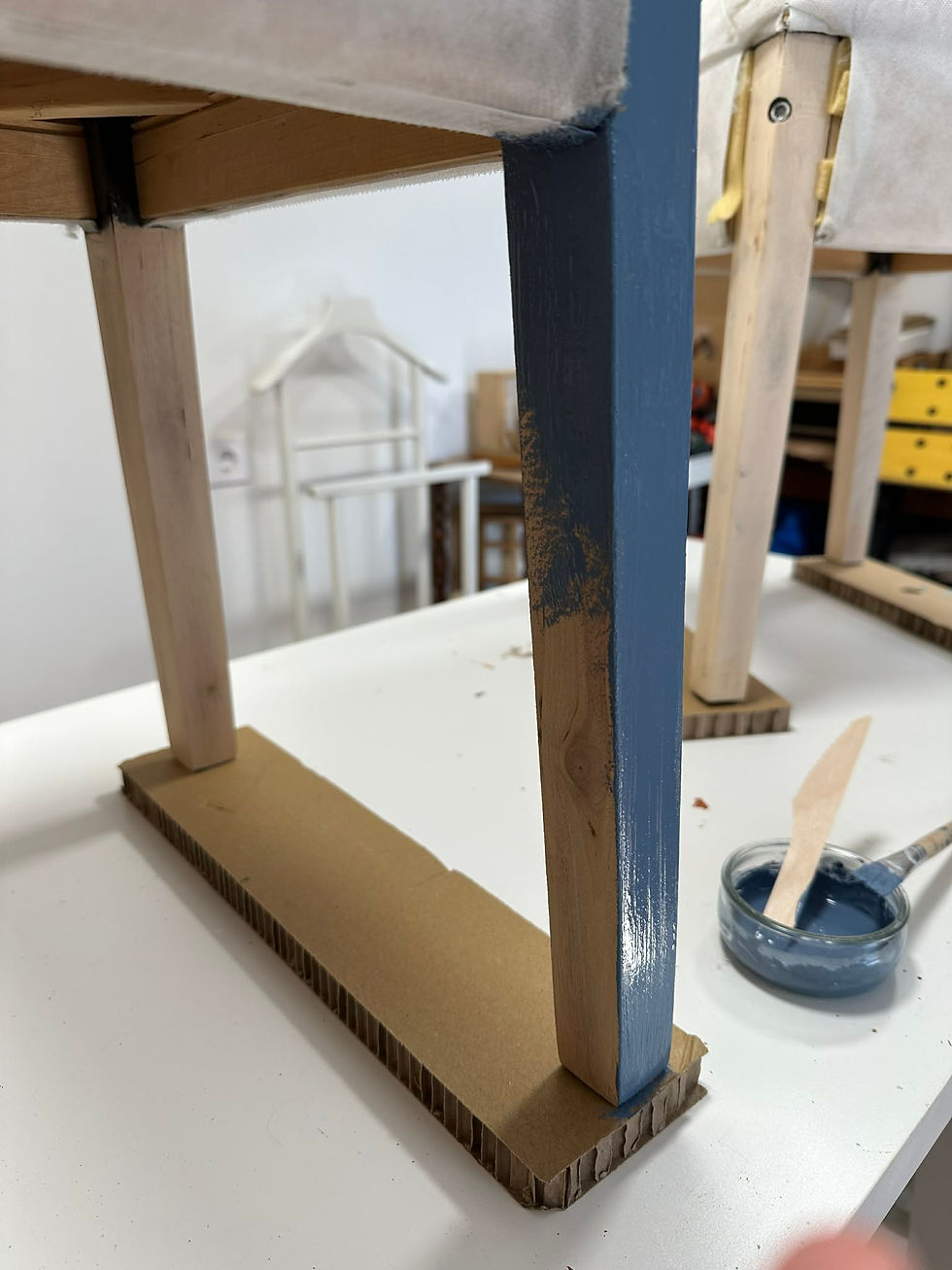
4. Colors – when they take on character
The black one is gone.
And suddenly there was space.
The colors not only became "beautiful", but they brought with them the feeling that started it all.
They are not loud. They don't want to stand out at all costs.
They rather exist together.
And something else was important: a paint that was not only beautiful, but also "good" - with a more natural, healthier composition.
5. Textiles – when they become personal

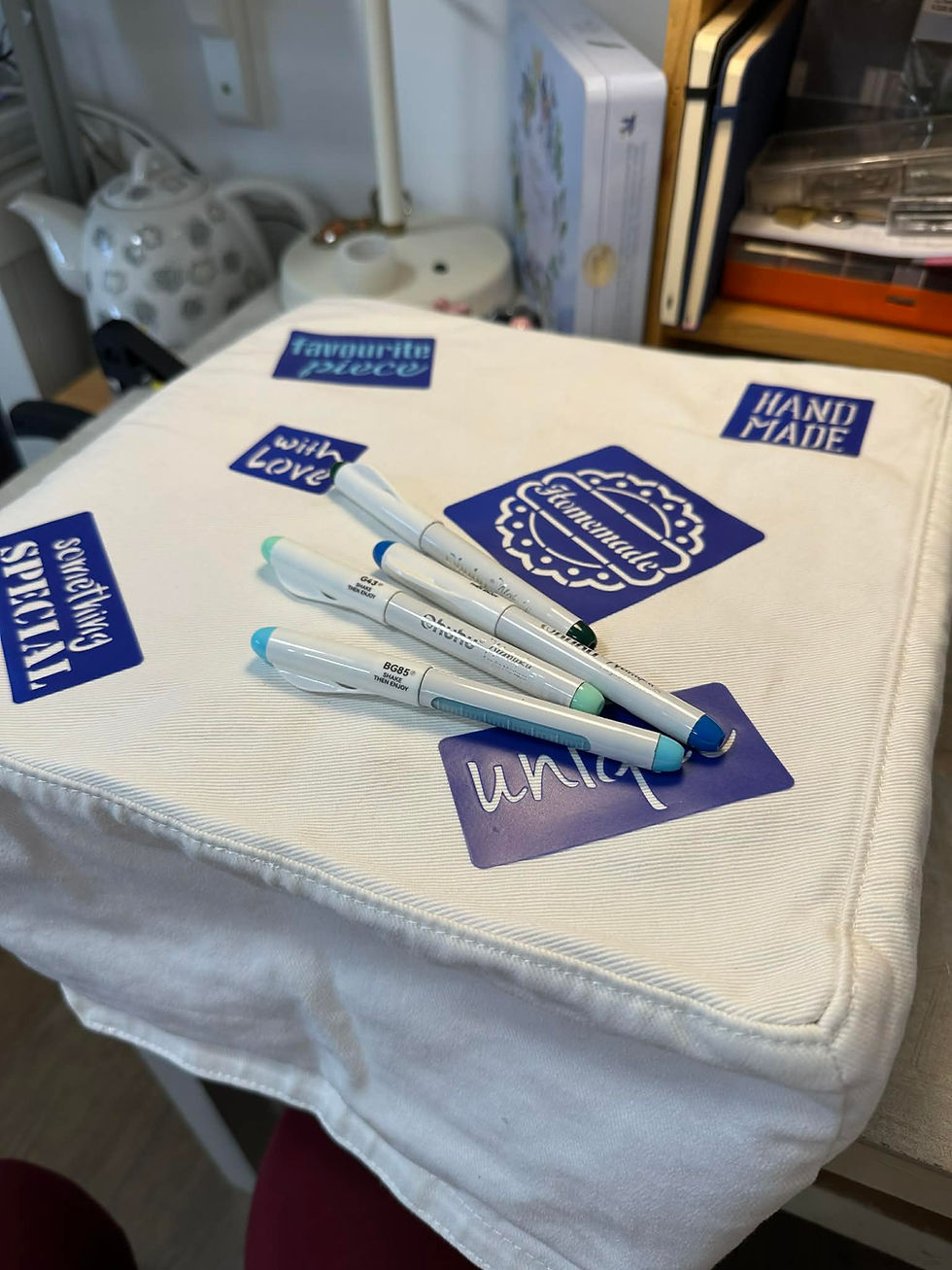
This is where the real change happened.
Textiles are no longer just a background. They are a surface on which to appear.
The captions are not accidental:
"unique"
"handmade"
"something special"
"favourite piece"
"with love"
And what unites them: they always get the color of the leg that is underneath them.
It's as if the colors are "coming up" from the feet to the surface.
6. Surface sealing – to make it last + 7. The final detail – to make it “finished”


When everything falls into place, it's not finished yet.
The surface finish is not spectacular, but it gives it durability.
The point was the same here: it should not only work, but also be a "clean" solution - with more natural, safer materials.
Then the felt leg protectors. A small thing. But without them, it's not complete. This is the point where the object is not only beautiful, but ready to use.
8. The two pieces together
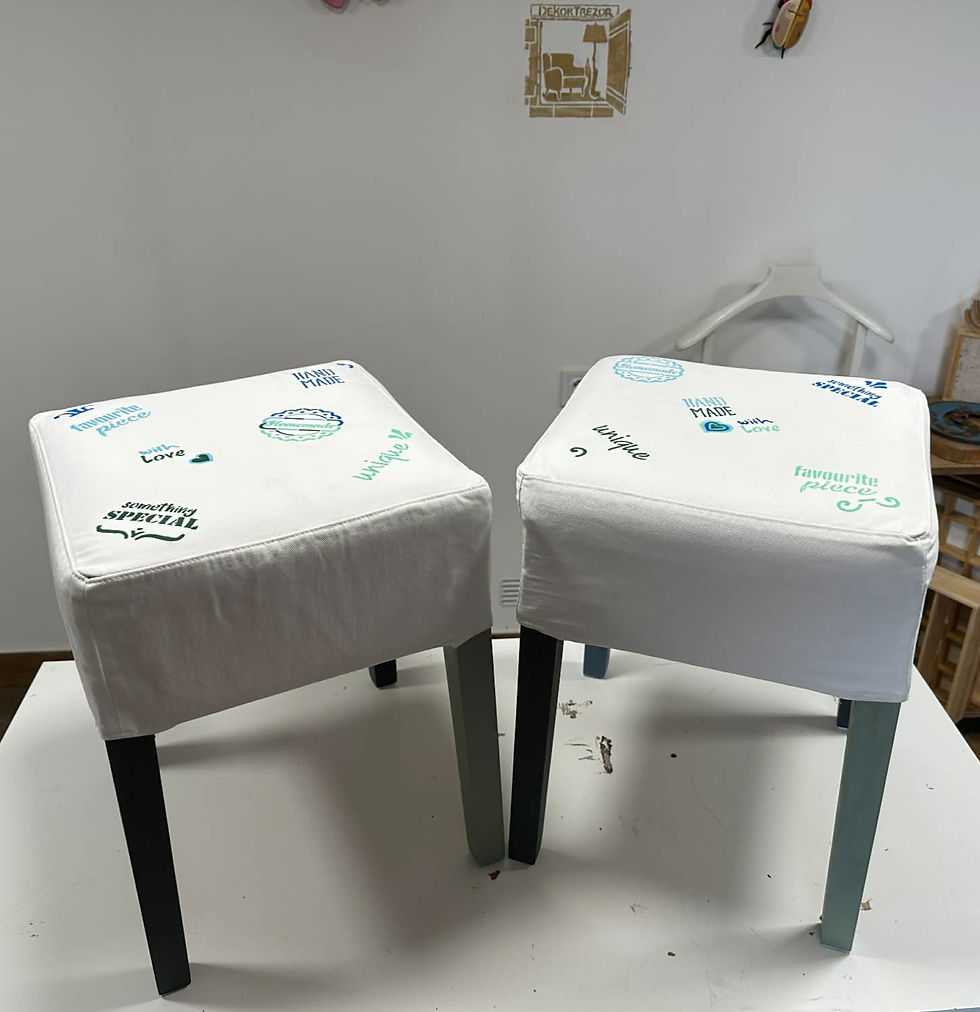
They didn't become the same.
Intentionally.
The captions are different. The proportions are a little different.
But the system is the same. And that makes them not separate pieces, but a pair.
Home decoration tip
These pieces don't like overcrowded spaces.
They need some silence.
A bright corner where you feel at home.
A natural environment. Where details are not lost, but noticeable.
My final thought:

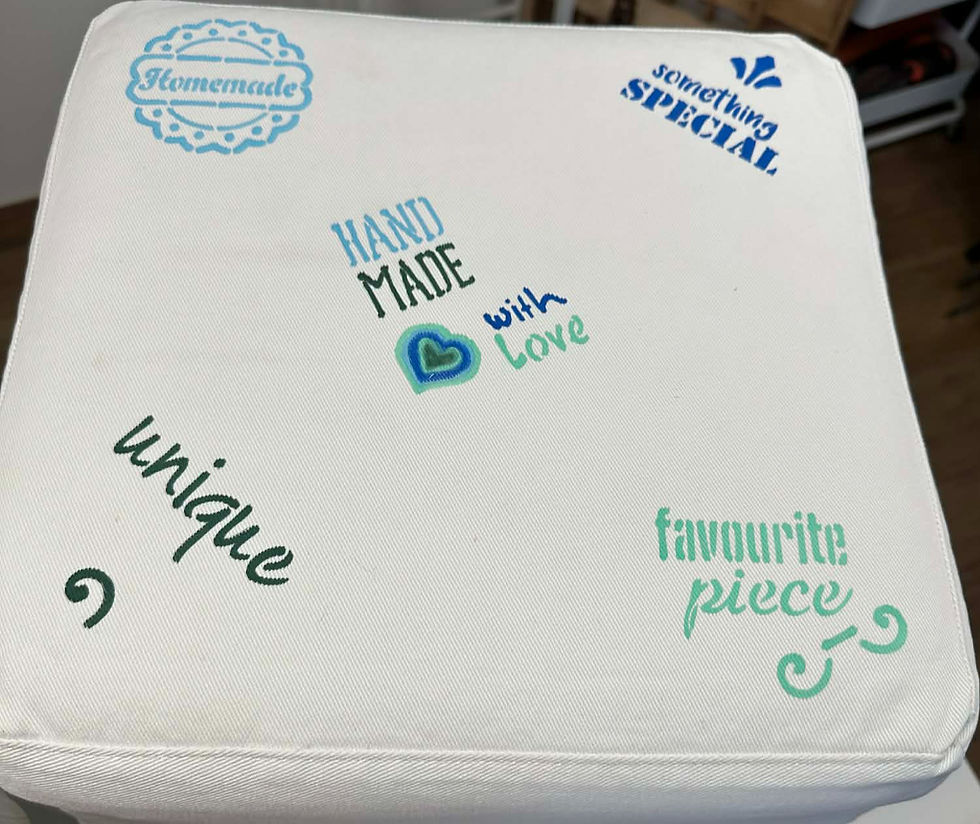
This wasn't a "renovation." Rather, it was a new interpretation. About how an object can be simultaneously:
live,
personal, homely
and a little free too.
And maybe that's exactly why he didn't want two identical pieces to be born.
.
What do you think about them? Would you like to have them? Write to me, I'd be happy to receive any feedback!
Thank you for taking a few minutes to read this blog, have a nice day!
Marti


Comments